
Epoxy Resin for Carbon Fiber: Real-World Industry Applications
As industries increasingly demand materials that are both lightweight and exceptionally strong, epoxy resin for carbon fiber has emerged as a vital component in the composite materials sector. This article explores the diverse applications across various industries such as aerospace, automotive, marine, wind energy, and medical, illustrating how these sectors leverage epoxy resin to address specific challenges. For those seeking in-depth knowledge about the material, a detailed guide from an epoxy resin for carbon fiber manufacturer offers further insights.
The Role of Epoxy Resin in Carbon Fiber Technology
Exploring the Chemistry
At the core of carbon fiber composites lies epoxy resin, a thermosetting polymer that forms through the reaction between an epoxide and a polyamine. This interaction creates a matrix that enfolds the carbon fibers, ensuring structural integrity and efficient stress transfer. With its low viscosity, epoxy resin effectively wets the fibers, making it indispensable for crafting high-performance composites.
Attributes of Performance
Epoxy resins are celebrated for their robust mechanical attributes, delivering tensile strengths reaching up to 700 MPa. Their high modulus of elasticity and ability to withstand temperatures up to 150°C make them ideal for sectors like aerospace and automotive, where durability and performance in extreme conditions are paramount.
Applications Across Industries
Whether in aerospace fuselage panels or automotive structural components, epoxy resin is a cornerstone in fabricating carbon fiber-reinforced polymer (CFRP) materials. These composites contribute to significant weight reductions, enhancing fuel efficiency and performance.
Tailored Applications of Epoxy Resin for Carbon Fiber
Aerospace Advancements
In aerospace, the demand for components that deliver high tensile strength while remaining lightweight drives the use of epoxy resin in fuselage and wing structures. This capability is critical to achieving the performance and safety standards required in aviation. The seamless surface finish achieved with epoxy ensures aerodynamic efficiency.
Automotive Innovations
In the automotive industry, reducing vehicle weight without compromising safety is essential. Epoxy resin aids in creating lighter but sturdier body panels and reinforcements, which play a pivotal role in enhancing vehicle efficiency. The application of specialized carbon fiber rods significantly enhances vehicle dynamics by reducing weight yet maintaining strength.
Wind Energy Solutions
Wind turbines operate in dynamic and harsh environments, demanding materials that can withstand these conditions. Epoxy resin’s excellent adhesion properties make it the material of choice for wind turbine blades, offering superior resistance against environmental factors and ensuring long-term performance. Its adaptability in design remains key to optimizing blade efficiency.
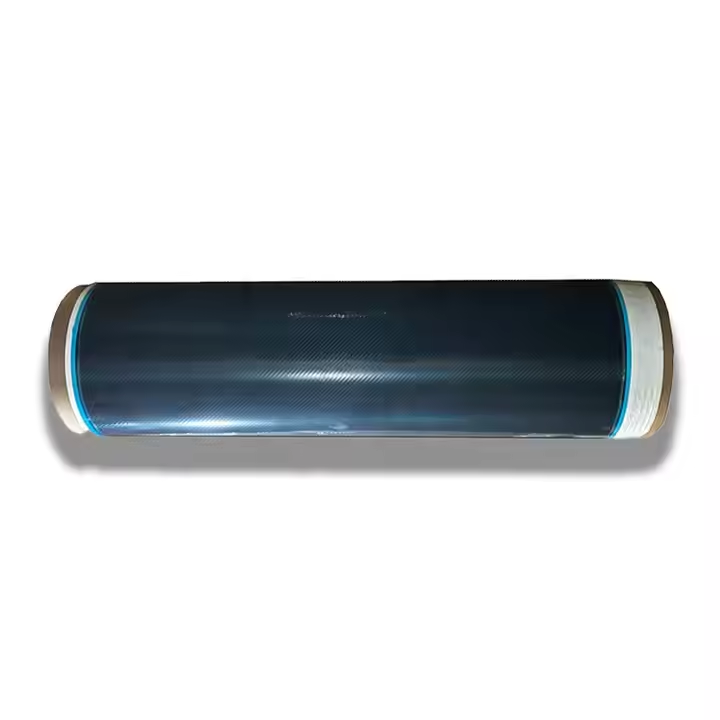
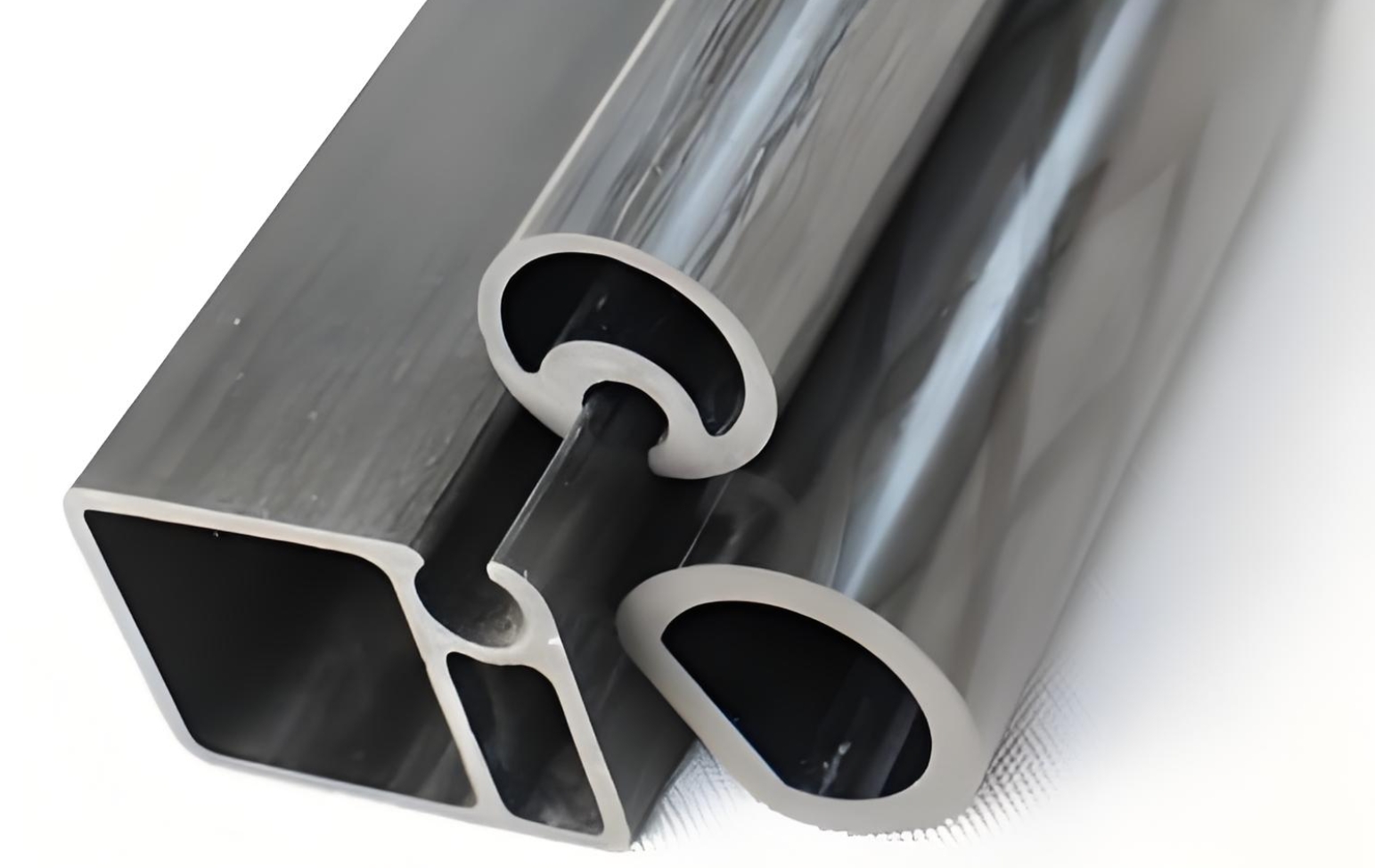
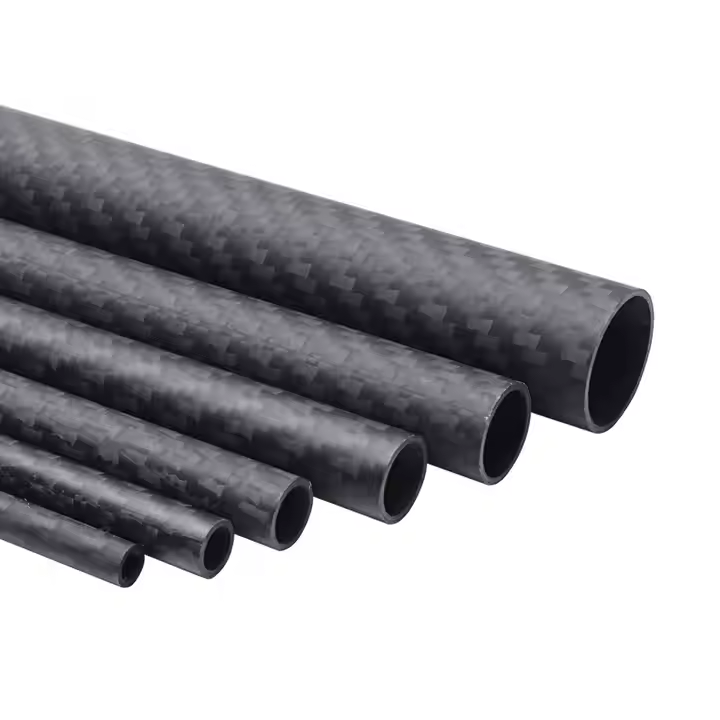
Top Epoxy Resin for Carbon Fiber Products
Discover our leading epoxy resin products trusted worldwide by manufacturers in over 120 countries for their reliability and performance.
Technical Insights and Compliance
Material Strength and Elasticity
- Tensile Strength: Up to 700 MPa
- Modulus of Elasticity: Approximately 70 GPa
- Elongation at Break: 1.5-2.5%
- Fiber Volume Fraction: 60%
These specifications, validated by ASTM D3039 standards, ensure that these composites are fit for high-stress scenarios, offering reliability and durability.
Adherence to Standards
Compliance with global standards such as ISO 9001 is non-negotiable, ensuring the quality and uniformity of epoxy resin products. Standards like ISO 14125, which detail testing methods for the flexural properties of fiber-reinforced composites, further guarantee product excellence.
| Property | Epoxy Resin | Polyester Resin |
|---|---|---|
| Tensile Strength (MPa) | 700 | 500 |
| Modulus of Elasticity (GPa) | 70 | 45 |
| Thermal Stability (°C) | 150 | 100 |
| Elongation (%) | 2.0 | 2.5 |
Case Studies and Industry Impact
Aerospace Success Stories
Leading aerospace companies have adopted epoxy resin-infused carbon fiber for their aircraft, resulting in lighter, more fuel-efficient models. The material’s resilience and precision in forming complex structures make it a favorite for new-generation aircraft designs.
Automotive Sector Achievements
Automakers leverage epoxy resin to innovate and produce vehicles with lower emissions and higher performance. The integration of carbon fiber components has revolutionized high-performance car manufacturing, fulfilling both environmental and performance goals.
Wind Energy Developments
Wind farm operators have witnessed significant improvements in turbine efficiency and lifespan, owing to the robustness and adaptability of epoxy resin. Customized designs enable engineers to optimize aerodynamic performance, crucial for maximizing energy output.
For more details on how epoxy resin for carbon fiber is shaping industries, find out more about this transformative material.
Conclusion
Epoxy resin for carbon fiber stands at the forefront of material innovation across multiple sectors, driving advancements in technology with its unique properties. As industries continue to push the limits of performance and sustainability, the role of epoxy resin remains vital. To explore extensive solutions in this field, visit Impact Materials for epoxy resin for carbon fiber solutions and discover how these composites can transform your next project.